How the Lion City Jazz Festival Connects Local Voices With Global Jazz Traditions
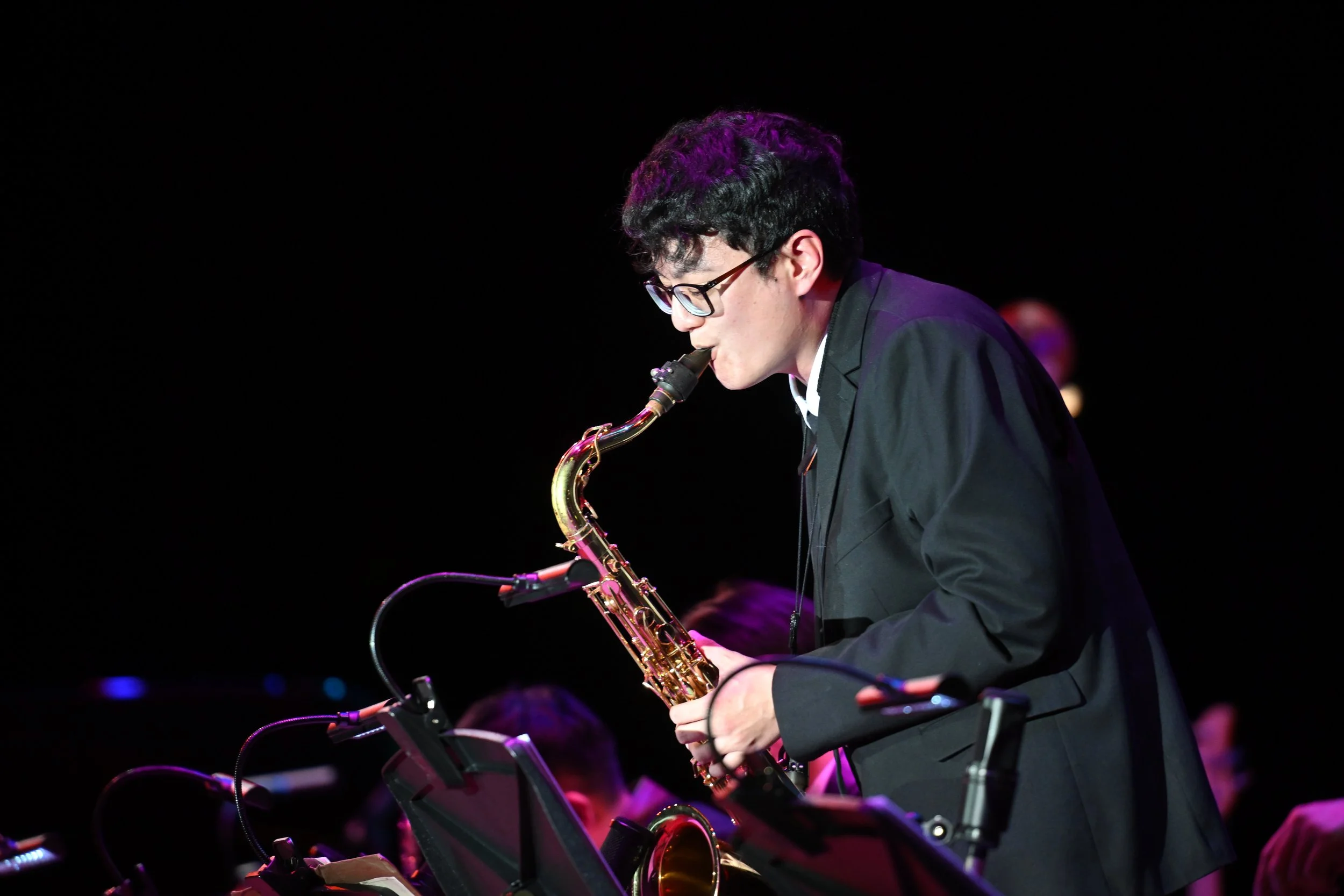
Jazz has always travelled.
It moves through cities, across generations, and between cultures, shaped by the people who learn it, question it, and make it their own. In Singapore today, jazz is deeply connected to this global tradition while speaking in a distinctly local voice.
The Lion City Jazz Festival plays a central role in that connection. It does not treat global jazz as something to import or replicate. Instead, it creates a space where international traditions and local perspectives meet through mentorship, collaboration, and shared listening.
Jazz as a Shared Language, Not a Fixed Style
Global jazz traditions offer a common language. Forms, standards, rhythmic ideas, and approaches to improvisation create a shared foundation that musicians around the world can recognise.
At the same time, jazz has never demanded uniformity. Each city that embraces it reshapes the language through its own cultural rhythms and values.
The Lion City Jazz Festival reflects this balance by programming artists and mentors who bring deep knowledge of global jazz traditions into direct conversation with Singapore based musicians. The goal is not imitation. It is dialogue.
Local musicians engage with these traditions critically and creatively, using them as tools rather than templates.
Mentorship as the Bridge Between Worlds
One of the most important ways the festival connects local and global jazz is through mentorship.
International artists at the festival do more than perform. They teach, speak, rehearse, and reflect with emerging musicians. This happens in workshops, masterclasses, and conversations that are open rather than exclusive.
When a mentor demonstrates how they approach phrasing, rhythm, or collaboration, local musicians are not being told what to copy. They are being invited into a way of thinking.
This exchange mirrors how jazz has always evolved, through relationships rather than instruction manuals.
Learning Happens in Public
At the Lion City Jazz Festival, learning is not hidden backstage.
Talks and discussions such as the jazz appreciation talk allow audiences to hear how musicians from different backgrounds understand the music. These sessions demystify jazz by revealing its human processes.
For local listeners and musicians alike, hearing global perspectives articulated clearly and openly builds confidence. Jazz becomes something you can engage with, not something you observe from a distance.
This openness is essential to how global traditions take root locally.
Local Context Shapes Global Ideas
While global jazz traditions provide structure, local context shapes expression.
Singaporean musicians bring their own cultural experiences, educational backgrounds, and ways of listening into every collaboration. This influences how global ideas are interpreted and transformed.
Programmes like Singaporeana highlight how jazz interacts with Singapore’s identity, revealing how global forms adapt naturally to local sensibilities.
The result is music that feels informed by tradition but grounded in place.
Smaller Spaces Encourage Real Exchange
Connection happens most meaningfully in close proximity.
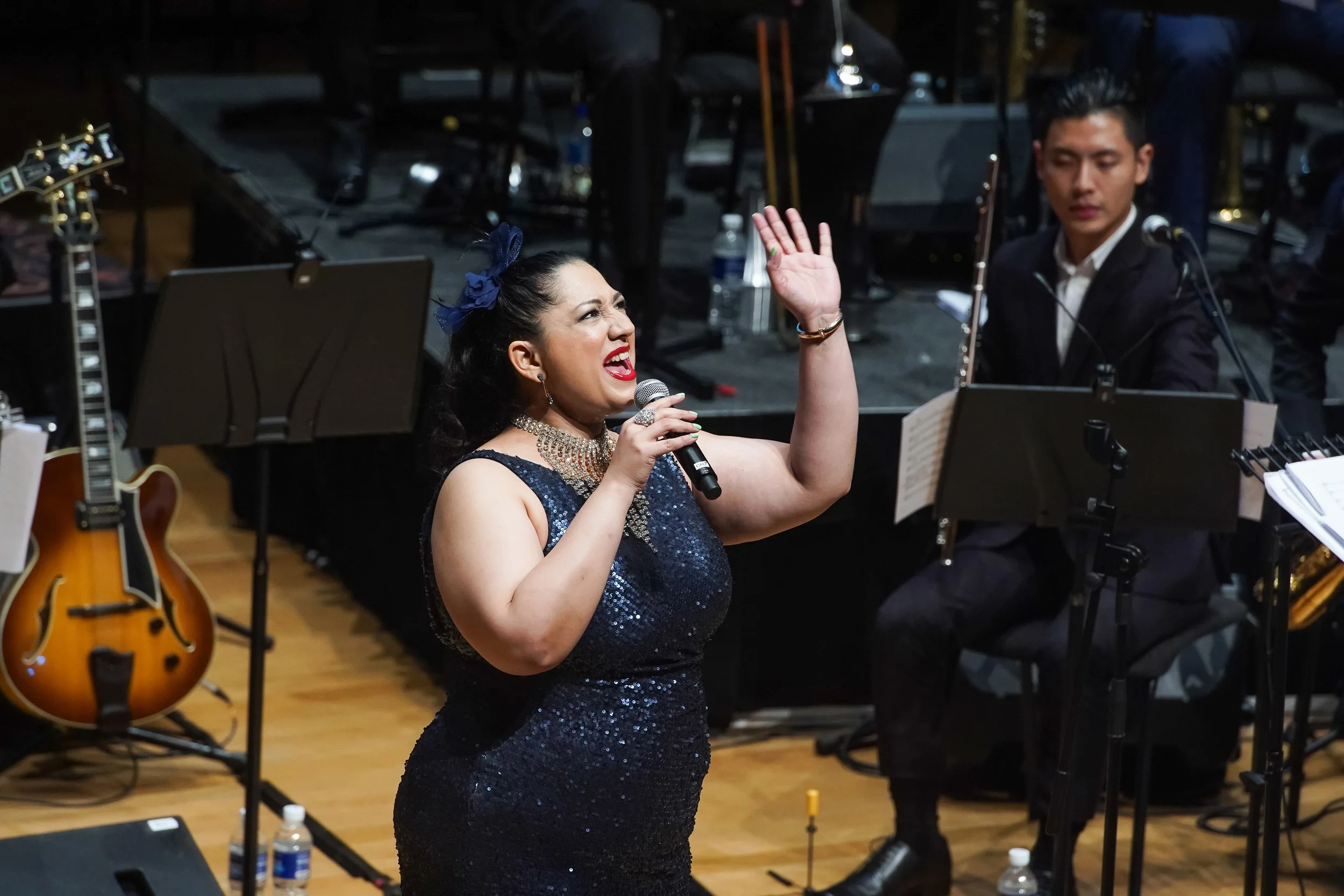
The festival’s fringe concerts create environments where musicians and audiences can experience jazz without the distance of large stages. In these settings, international and local artists often collaborate in ways that feel spontaneous and conversational.
Audiences witness how musicians listen to each other across cultural backgrounds. You can hear ideas being tested, adapted, and reshaped in real time.
These moments make the global nature of jazz tangible rather than theoretical.
A Midway Reflection: Tradition Lives Through Adaptation
Jazz traditions survive not because they are preserved unchanged, but because they are continually reinterpreted.
If you look across the festival schedule, you can see how performances, talks, and collaborative sessions are arranged to support this process. There is space for reverence, but also for curiosity.
This balance allows local musicians to engage confidently with global traditions without feeling overshadowed by them.
Passing Knowledge Forward Across Generations
Connecting local voices with global traditions is not only about the present. It is about continuity.
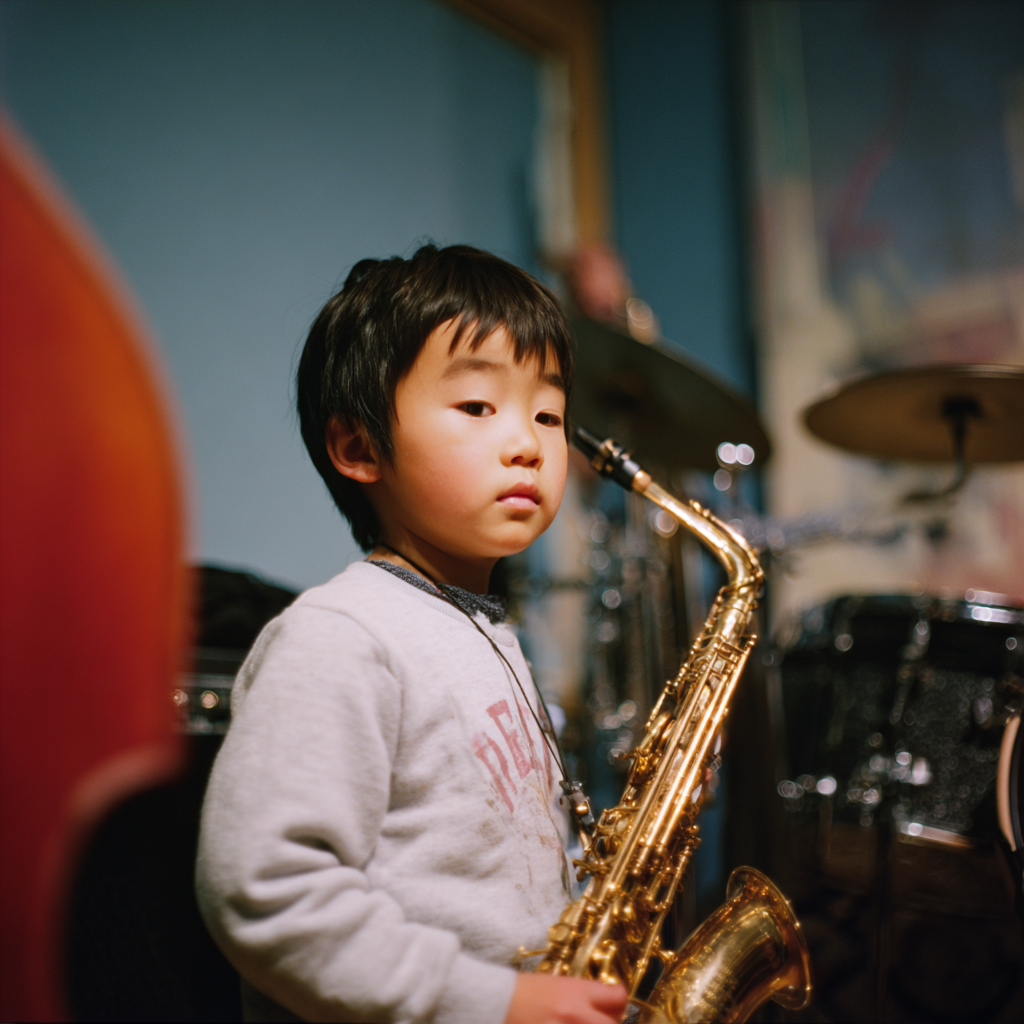
By involving students, young musicians, and families, the Lion City Jazz Festival ensures that these conversations continue. Initiatives like Jazz for Kids introduce global jazz ideas early, in ways that feel playful and accessible.
Children encounter jazz as something alive and present, not distant or foreign. This early exposure shapes how global traditions are understood in the next generation.
The Finale as a Meeting Point
The finale concert often brings these threads together.
By the time the finale arrives, musicians and audiences have shared days of learning, listening, and exchange. Global influences and local voices meet on equal footing, shaped by the relationships built throughout the festival.
The finale is not just a showcase. It is a reflection of how connection happens when tradition and context are allowed to interact fully.
Authority Through Thoughtful Connection
What gives the Lion City Jazz Festival its authority is not the presence of international names alone. It is how those voices are integrated into a local ecosystem.
By prioritising mentorship, open learning, and collaboration, the festival ensures that global jazz traditions strengthen local voices rather than overshadow them.
This approach reflects a deep understanding of how jazz works and why it continues to matter.
A Living Conversation
Jazz is a conversation that spans continents and generations.
Through the Lion City Jazz Festival, that conversation finds a clear and confident voice in Singapore. Local musicians speak with their own accents, informed by global traditions but grounded in local experience.
If you want to see how this dialogue unfolds in practice, exploring the festival website is the best place to begin.
Here, global jazz does not arrive as a finished product. It arrives as an invitation to listen, respond, and contribute.