What Makes the Finale Concert the Emotional Heart of the Lion City Jazz Festival
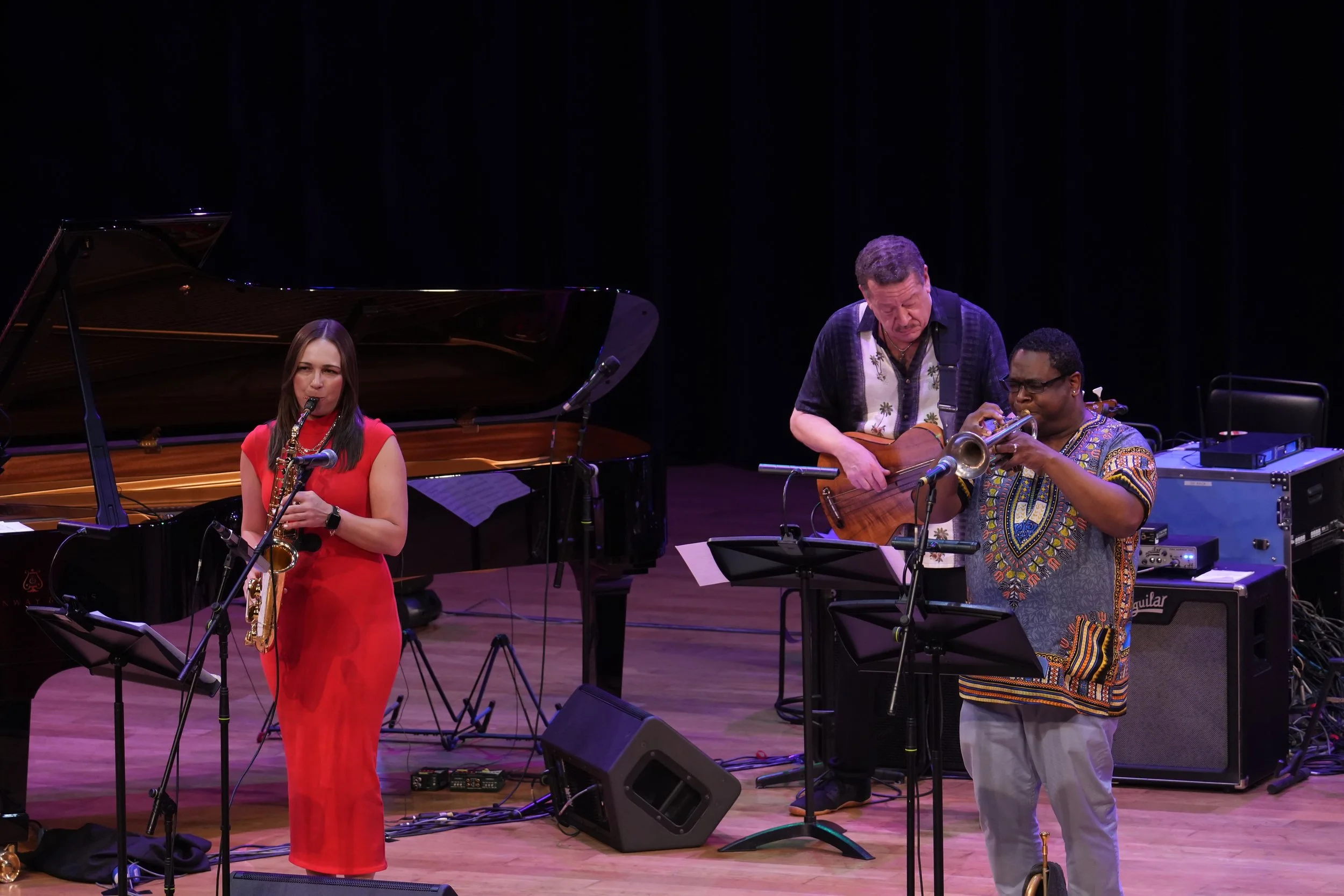
Every festival has a final night. Not every festival understands what that night is meant to do.
At the Lion City Jazz Festival, the finale concert is not designed to simply end the programme on a high note. It is designed to gather everything that has happened before it. The conversations, the workshops, the moments of discovery, the quiet listening, the shared learning. All of it finds its way onto the stage.
That is why the finale does not feel like just another concert. It feels like a resolution.
The Finale Is Built on the Journey, Not the Hype
Many festivals treat the closing performance as a headline act dropped in at the end. Bigger names. Bigger energy. Bigger spectacle.
The Lion City Jazz Festival takes a slower, more intentional route. The finale is shaped by the same theme that guides the entire festival. By the time audiences reach this moment, they have already encountered the ideas behind the music through talks, workshops, and earlier performances.
This makes the finale emotionally resonant rather than overwhelming. Listeners are not arriving cold. They are arriving prepared.
You can see how this journey is paced across the programme, where learning and performance build toward the final evening rather than competing with it:
Explore the festival schedule
A Shared Language Between Stage and Audience
One of the most powerful aspects of the finale concert is the shared understanding in the room.
Earlier in the festival, audiences may have heard musicians speak about improvisation, collaboration, or musical lineage. They may have watched ideas being tested in workshops or smaller performances. When those same musicians step onto the finale stage, the audience listens differently.
A horn phrase carries memory. A rhythmic shift carries meaning. A familiar motif lands with emotional weight.
This shared language transforms the finale from a presentation into a conversation. The applause is not just for technical brilliance. It is recognition.
Theme as Emotional Anchor
Each edition of the festival is guided by a central theme, and the finale is where that theme fully takes shape.
Rather than explaining the concept verbally, the finale allows the theme to be felt. Musical choices, collaborations, and arrangements all point back to the ideas explored throughout the festival.
A clear example is the festival’s themed closing concert celebrating the music of the Brecker Brothers. This performance is not framed as nostalgia. It is framed as continuity. A living dialogue between past influence and present expression:
Learn about the finale concert
For audiences, this creates emotional coherence. The festival feels complete rather than abruptly finished.
The Weight of Collective Experience
By the final night, something subtle has shifted in the crowd.
Strangers have shared rooms, silences, and applause. Musicians have moved between roles as performers, mentors, and collaborators. The festival has become a temporary community.
The finale concert carries the weight of that collective experience. It is not just musicians performing for an audience. It is a group of people marking the end of something they have lived through together.
This sense of shared time is what gives the finale its emotional gravity. It is less about saying goodbye and more about acknowledging what has been built.
When Listening Feels Different
If you have attended other concerts during the festival, you will notice that the finale sounds different, even if the volume is the same. That difference comes from attention. From familiarity. From care. Let yourself listen with everything you have picked up along the way.
A Celebration Without Losing Intimacy
Despite its significance, the finale does not abandon the festival’s core values.
It remains grounded. It avoids spectacle for spectacle’s sake. Even at its most energetic, the music retains clarity and intention. You can still follow individual voices within the ensemble. You can still feel the human choices being made on stage.
This balance reflects the broader ethos of the festival and its relationship with the Jazz Association (Singapore), which places equal importance on education, craft, and performance. The finale is not a departure from that mission. It is its most concentrated expression.
You can explore how this mission extends beyond the stage through the association’s role in shaping the festival:
Learn about the Jazz Association of Singapore
The Moment That Lingers After the Lights Go Down
Long after the final note fades, the finale concert continues to resonate.
It shapes how audiences remember the festival. It gives context to earlier moments. It often becomes the reference point people return to when they talk about what they experienced.
This lingering effect is not accidental. It comes from thoughtful design, emotional pacing, and a deep respect for both musicians and listeners.
Where the Festival Finds Its Heart
The Lion City Jazz Festival finale concert is not the biggest event on the calendar. It is the most meaningful.
It works because it listens as much as it speaks. Because it honours process as much as performance. Because it understands that music carries emotion best when it is allowed to grow over time.
If you want to understand what the festival is truly about, do not just look at the opening night. Stay until the end. That is where the heart reveals itself.