What Audiences Learn When They Witness Jazz Being Made Live
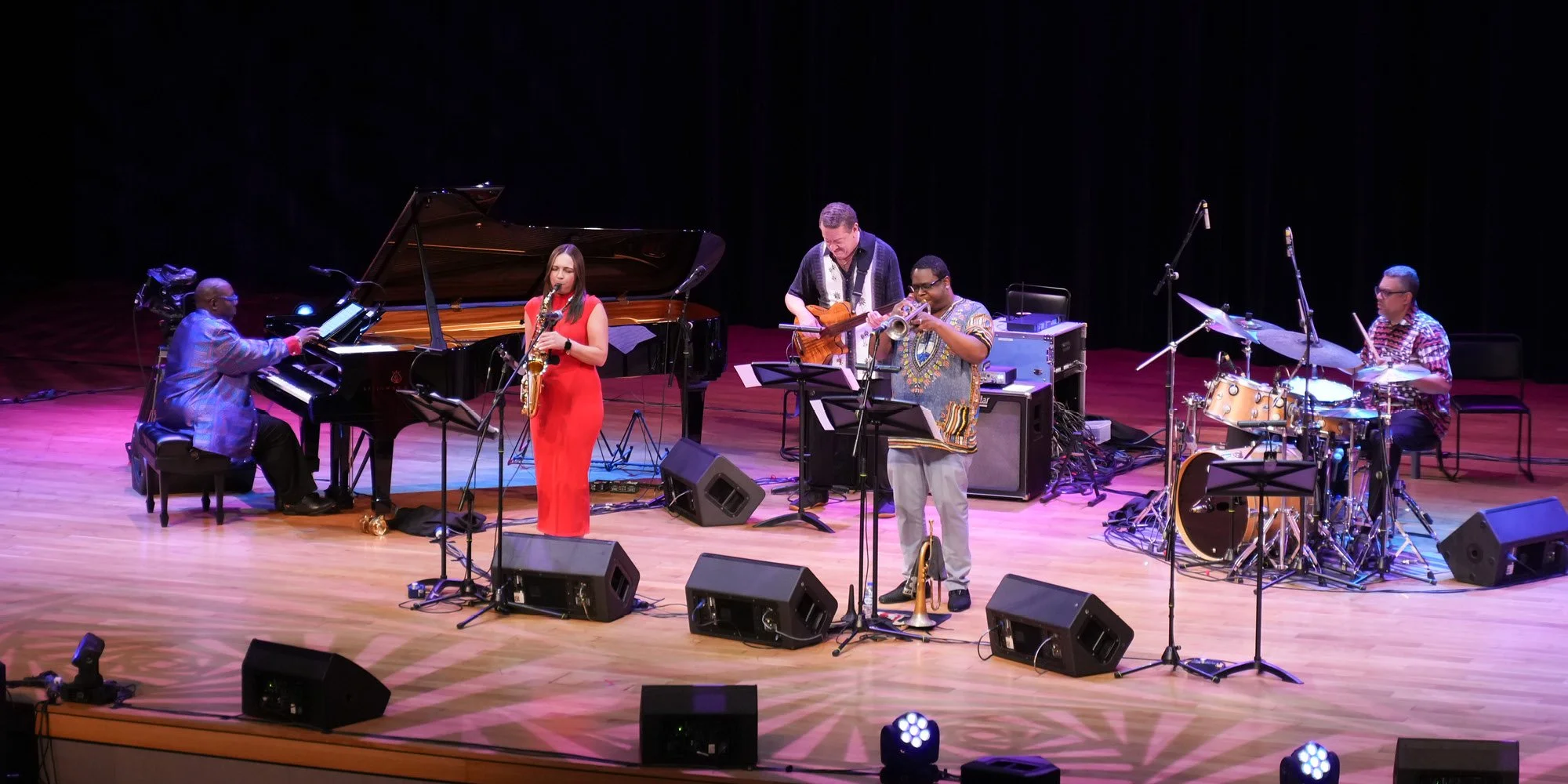
Watching jazz being made live changes how people understand music. It shifts listening from passive enjoyment to active awareness. Instead of hearing only outcomes, audiences begin to notice choices, risks, and relationships unfolding in real time. Jazz reveals itself not as a finished object, but as a living process shaped by human interaction.
This is why witnessing jazz live is so transformative. It teaches audiences how music works at its most honest level, and why improvisation, listening, and trust sit at the heart of the art form. These lessons are central to the experience offered by the Lion City Jazz Festival, where performances are designed to make the act of creation visible rather than hidden.
Audiences Learn That Jazz Is a Conversation
Live jazz makes one thing immediately clear: no one is playing alone. Musicians listen constantly, responding to subtle cues from one another. A solo is not a monologue, but a reply. Rhythm sections do not simply support. They comment, challenge, and steer the music forward.
When audiences witness this exchange, they begin to hear jazz as dialogue rather than display. They notice how a bassist shifts direction in response to a horn phrase, or how a drummer reshapes the groove to open space for others.
This conversational nature becomes easier to recognise when performances are part of a thoughtfully paced programme. The structure visible across
the festival schedule allows listeners to follow ideas over time, rather than encountering them in isolation.
Mistakes Are Not Failures, They Are Information
One of the most powerful lessons live jazz teaches is how musicians handle uncertainty. Notes do not always land perfectly. Phrases sometimes stretch further than expected. What matters is not avoiding mistakes, but responding to them.
Audiences see musicians adapt instantly, turning unexpected moments into new directions. This teaches a deeper truth about creativity: resilience and responsiveness matter more than perfection.
Witnessing this process humanises performance. It replaces the illusion of flawlessness with something far more compelling, musicians thinking, adjusting, and trusting one another in real time.
The Risk Moment
Many listeners say the moment jazz “clicks” for them is when they realise that risk is not a problem to be eliminated, but the source of energy.
How Context Changes Listening
Jazz can sound abstract until listeners understand what they are hearing. Context transforms confusion into curiosity.
Talks and guided listening sessions help audiences recognise form, intention, and interaction without turning the experience into a technical exercise. Events such as
jazz appreciation talks give audiences language for what they already feel, making performances more engaging rather than more complicated.
When listeners understand that a quiet passage is intentional, or that repetition is building tension, their attention sharpens. The music opens up.
Seeing the Physicality of Music
Jazz is deeply physical. Breath, posture, movement, and timing are all visible when music is made live. Audiences begin to notice how musicians use their bodies to shape sound.
Watching performers lean into phrases, hold silence, or cue transitions teaches listeners that music is not abstract. It is embodied.
This becomes especially clear in more intimate settings.
Fringe concerts place audiences close enough to see the mechanics behind the music, turning observation into understanding.
Learning Through Demonstration
Live jazz also teaches through demonstration. Workshops and masterclasses allow audiences to see how ideas translate into sound.
Sessions such as
Trumpet Mastery by Tom Walsh reveal how technique serves expression, showing that skill is a tool rather than a goal. Audiences learn that great jazz is not about playing more notes, but about making meaningful choices.
This transparency deepens respect for the craft without creating distance between musicians and listeners.
Audiences Learn That Jazz Is Shared Work
Perhaps the most important lesson live jazz offers is that music is created collectively. Audiences influence performances through attention, energy, and response. Applause, silence, and presence all feed back into the music.
Smaller settings make this relationship especially clear. When musicians feel heard, they play differently. When audiences feel included, they listen more deeply.
The Lion City Jazz Festival reinforces this shared responsibility by creating environments where musicians and listeners interact beyond the stage. Conversations like
A Fireside Chat with Randy Brecker and Ada Rovatti dissolve barriers and reveal artists as collaborators rather than distant figures.
Why These Lessons Matter
In a world dominated by polished content and controlled outcomes, live jazz teaches something rare: how to be present with uncertainty. It reminds audiences that creativity is a process, not a product.
These lessons extend beyond music. They shape how people listen, collaborate, and respond in everyday life.
Witness the Music Being Made
If you want to experience how jazz teaches through performance, explore the concerts, talks, and workshops at
the Lion City Jazz Festival website. Jazz reveals its meaning most clearly when you see it unfold.
When audiences witness jazz being made live, they do not just hear music. They learn how attention, trust, and collaboration turn sound into shared experience.