How the Lion City Jazz Festival Makes Jazz Accessible to All Ages
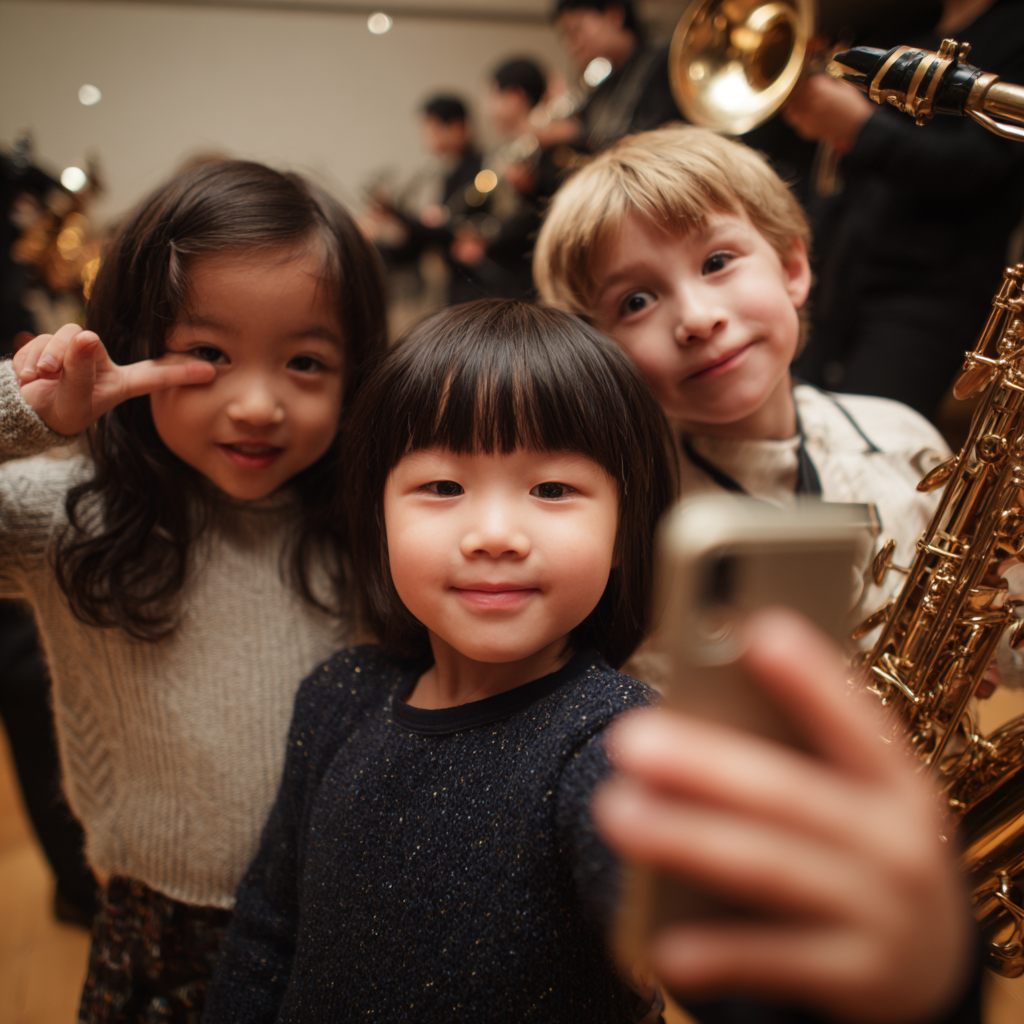
Jazz often carries an unfair reputation. Too complex. Too serious. Too niche. For many people, especially those encountering jazz for the first time, this perception can feel like a closed door.
The Lion City Jazz Festival approaches jazz very differently. Instead of asking audiences to adapt to the music, the festival designs its experience so the music can meet people where they are, regardless of age, background, or familiarity with jazz.
Accessibility here is not an afterthought. It is part of the festival’s structure, pacing, and philosophy.
Accessibility Starts With Atmosphere, Not Explanation
One of the most effective ways the Lion City Jazz Festival makes jazz accessible is by shaping the atmosphere around the music.
Concerts are presented as shared experiences rather than formal performances. Audiences are encouraged to respond naturally. Applause, laughter, and moments of stillness all have a place. There is no pressure to behave “correctly.”
This tone matters for younger listeners, first timers, and anyone who has felt unsure about attending a jazz concert before. When the room feels open, the music follows.
Rather than asking audiences to understand jazz before enjoying it, the festival allows understanding to grow organically through listening.
Multiple Entry Points for Different Ages
Accessibility looks different at different stages of life.
For children, jazz needs to feel playful and welcoming. For teenagers, it needs to feel relevant. For adults, it needs to feel human rather than intimidating. For older audiences, it needs to feel comfortable and engaging.
The Lion City Jazz Festival addresses this by offering a range of programme formats.
Family friendly initiatives like Jazz for Kids introduce younger listeners to live music in an environment that encourages curiosity and interaction. These sessions focus on sound, rhythm, and expression rather than rules.
At the same time, talks and discussions such as the jazz appreciation talk support adults who want gentle context without academic language. These sessions make it easier to listen with confidence, even if jazz is new territory.
Smaller Settings Lower the Barrier
Large stages can be exciting, but they can also feel overwhelming, especially for first time listeners or younger audiences.
That is why the festival’s fringe concerts play such an important role in accessibility. These performances are often shorter, more relaxed, and more informal. Audiences can arrive curious rather than committed.
In smaller rooms, listeners sit closer to musicians. They can see how instruments are played, how musicians communicate, and how music unfolds moment by moment. This proximity turns jazz into something tangible rather than abstract.
For many people, fringe concerts are where jazz first feels approachable.
Local Identity Makes Jazz Feel Familiar
Jazz can sometimes feel distant when it is framed as something imported or historical.
The Lion City Jazz Festival counters this by grounding jazz firmly in Singapore’s cultural context. Programmes such as Singaporeana highlight how jazz lives and evolves locally, shaped by Singaporean musicians and audiences.
When people see their own culture reflected on stage, the music feels more relevant. It becomes easier to engage emotionally, regardless of age or background.
For younger audiences especially, this sense of place helps jazz feel like something happening now, not something preserved behind glass.
Learning Without Pressure
One of the festival’s defining accessibility features is how it handles learning.
Education is present, but it is never compulsory or overwhelming. Audiences can choose how deeply they want to engage. Some attend talks and workshops. Others simply listen.
This flexibility is crucial. It allows people to move at their own pace. Children can absorb sound and rhythm. Adults can follow curiosity where it leads. No one is forced into a single pathway.
Looking at the festival schedule makes this clear. Concerts, talks, and community events are interwoven, allowing each attendee to shape an experience that suits them.
A Moment to Pause: Jazz Belongs to Everyday Life
If jazz feels distant, it is often because people believe it requires preparation.
The Lion City Jazz Festival quietly challenges that idea by presenting jazz as part of everyday cultural life. Families attend together. Students sit next to seasoned listeners. Conversations continue after performances.
If you are curious about how the festival brings all these elements together, exploring the full festival website offers a broader picture of how accessibility is built into every layer of the event.
The Finale as a Shared Experience
While accessibility is woven throughout the festival, the closing performance often highlights it most clearly.
The finale concert brings together musicians, mentors, and audiences of all ages in a single shared moment. By this point, many attendees have attended talks, fringe shows, or family sessions.
The finale feels less like a performance for experts and more like a gathering of people who have been on a journey together. That sense of shared experience is one of the most powerful accessibility tools the festival offers.
Accessibility as a Long Term Commitment
What makes the Lion City Jazz Festival stand out is not a single programme or initiative. It is the consistency of its approach.
By welcoming children, supporting first time listeners, highlighting local voices, and creating multiple ways to engage, the festival builds an audience that grows with it over time.
Accessibility here is not about simplifying jazz. It is about widening the circle.
Start Where You Are
You do not need the perfect concert or the perfect moment to begin.
If you are attending with family, exploring Jazz for Kids is a natural starting point. If you are attending alone, a fringe concert or appreciation talk can help ease you in. If you want a shared milestone, the finale offers a collective experience.
The Lion City Jazz Festival is designed so that wherever you start, you belong.
To explore upcoming events and find an entry point that suits your age and curiosity, you can browse the current programme through the tickets page.
Jazz becomes accessible when people feel invited. At the Lion City Jazz Festival, that invitation is open to all ages, all the time.