What Makes Mentorship Essential in Jazz Education Today
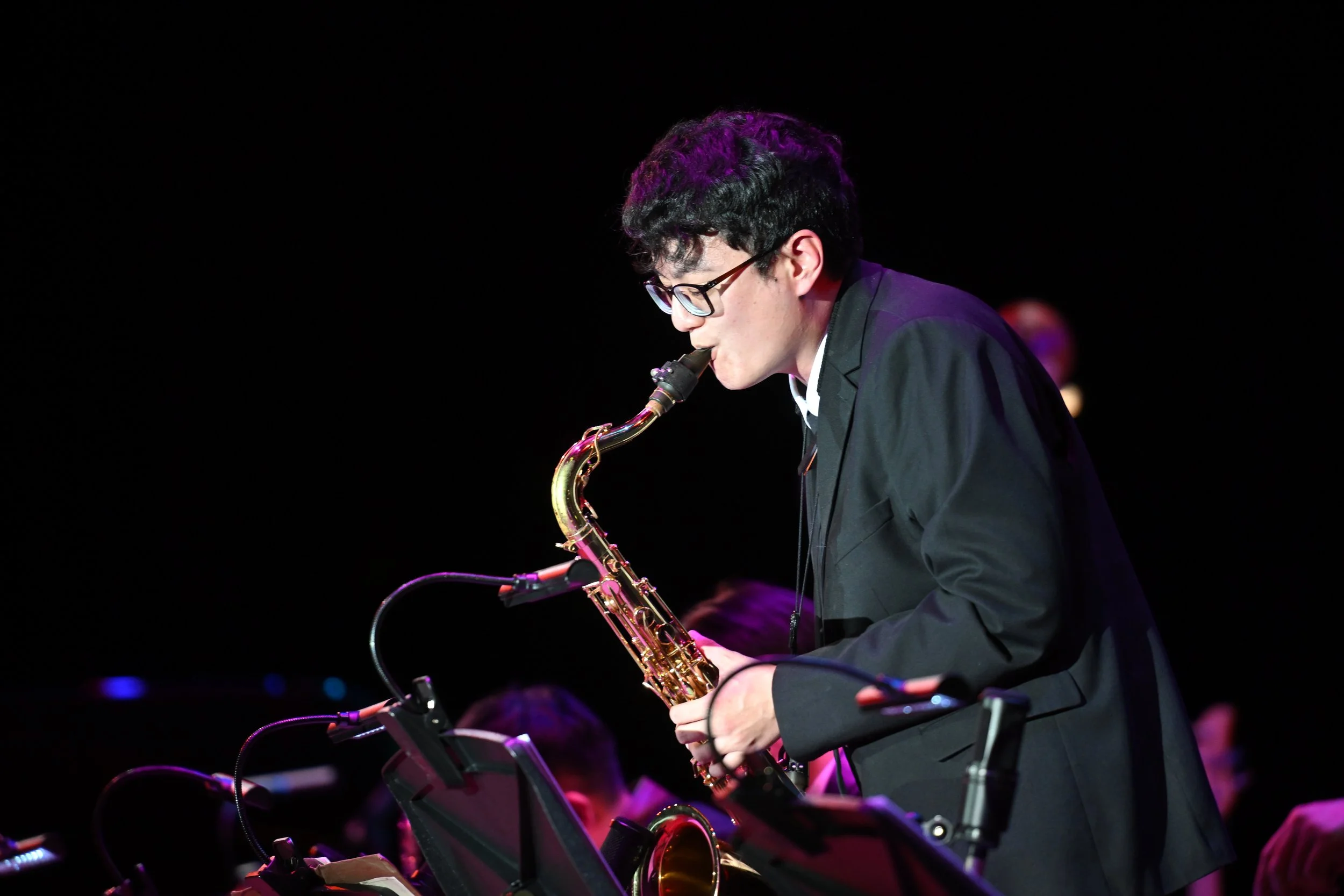
Jazz has always been passed down person to person. Long before formal curricula, musicians learned by standing next to someone more experienced, listening closely, and being invited into the music. That lineage still defines jazz today. In a world filled with tutorials, recordings, and digital tools, mentorship remains essential not because information is scarce, but because wisdom is relational.
In contemporary cities like Singapore, where education is highly structured and outcomes are often measured, jazz mentorship offers something different. It teaches judgement, adaptability, and musical empathy. These are qualities that cannot be downloaded or memorised. They are learned through shared time, trust, and lived experience.
This belief sits at the heart of the Lion City Jazz Festival, where mentorship is not treated as an add-on to performance, but as the foundation of how jazz knowledge is transmitted.
Jazz Is Learned in Context, Not Isolation
Jazz education does not happen in a vacuum. Notes, scales, and theory matter, but they only become meaningful when applied in real musical situations. Mentors provide context. They show when to step forward and when to hold back, how to listen for space, and how to respond when something unexpected happens.
A mentor helps a student understand why a phrase works in one moment and not in another. This kind of understanding cannot be reduced to rules. It comes from shared experience.
At festivals that prioritise mentorship, learning happens in rehearsal rooms, soundchecks, and conversations as much as on stage. This integrated approach is reflected across the Lion City Jazz Festival programme, where workshops, talks, and performances are designed to overlap rather than sit apart. You can see how this structure unfolds through
the festival schedule.
Why Mentorship Cannot Be Replaced by Content
Online resources have made jazz more accessible than ever. Students can watch legendary performances, study transcriptions, and hear global voices instantly. Yet access does not equal understanding.
Mentorship fills the gap between knowledge and application. A mentor hears what a student is trying to say musically and helps them refine it without erasing their voice. This guidance is subtle, personal, and responsive.
In jazz, the goal is not to sound correct. It is to sound honest. Mentors help young musicians navigate this balance by sharing not only musical techniques, but also the realities of growth, doubt, and artistic decision-making.
Talks and conversations with experienced artists make this process visible. Sessions such as
A Fireside Chat with Randy Brecker and Ada Rovatti allow audiences and students alike to hear how seasoned musicians reflect on their journeys, challenges, and creative choices.
The Quiet Lessons
Many of the most valuable lessons in jazz are never written down. They are spoken softly in between takes, shared in stories, and passed on through example.
Learning Through Practice, Not Performance Alone
One of the defining traits of effective jazz mentorship is learning through doing. Students are not shielded from complexity. They are invited into it.
Playing alongside a mentor exposes young musicians to professional standards in real time. They learn how to recover from mistakes, adapt to different personalities, and maintain focus under pressure. These skills extend far beyond music.
Workshops that centre on practice rather than theory reinforce this approach. Masterclasses like
Trumpet Mastery by Tom Walsh demonstrate how technical development is always connected to musical intent. Technique serves expression, not the other way around.
This emphasis on practice aligns closely with jazz’s broader culture, where growth is continuous and mastery is never considered complete.
Mentorship Builds Musical Lineage
Jazz is sustained through lineage. Each generation carries forward ideas while reshaping them. Mentorship ensures continuity without stagnation.
When young musicians learn directly from experienced artists, they inherit not only repertoire, but values. They learn how to respect tradition without being trapped by it. They learn how to contribute something new while honouring what came before.
The Lion City Jazz Festival actively fosters these connections by pairing emerging musicians with international and regional mentors. Conversations such as
Brass Conversations with Eijiro Nakagawa create spaces where technique, philosophy, and lived experience intersect.
This exchange strengthens the wider jazz ecosystem by ensuring knowledge flows forward rather than becoming siloed.
Why Cities Need Mentorship-Driven Jazz Education
Cities thrive when knowledge circulates. Jazz mentorship models this circulation beautifully. It encourages generosity, listening, and mutual respect.
In Singapore, where young musicians often balance rigorous academic paths with creative ambition, mentorship offers grounding. It reminds students that progress is not linear and that artistic growth requires patience.
The festival’s connection to the broader work of the
Jazz Association of Singapore ensures that mentorship is not confined to a single event, but embedded within ongoing educational and community initiatives.
Why Mentorship Will Always Matter
Jazz education succeeds when it nurtures people, not just performers. Mentorship provides the human framework that allows musicians to develop confidence, resilience, and voice.
In an age of abundance, guidance matters more than information. Jazz understands this instinctively.
Learning From Those Who Have Walked the Path
If you are curious about how jazz knowledge is shared across generations, explore the workshops, talks, and collaborative sessions at
the Lion City Jazz Festival website. The music tells its story most clearly when learning happens face to face.
Mentorship remains essential because jazz is not a product to be mastered, but a practice to be lived.