Jazz as a Living Art Form and Why Live Performance Changes Everything
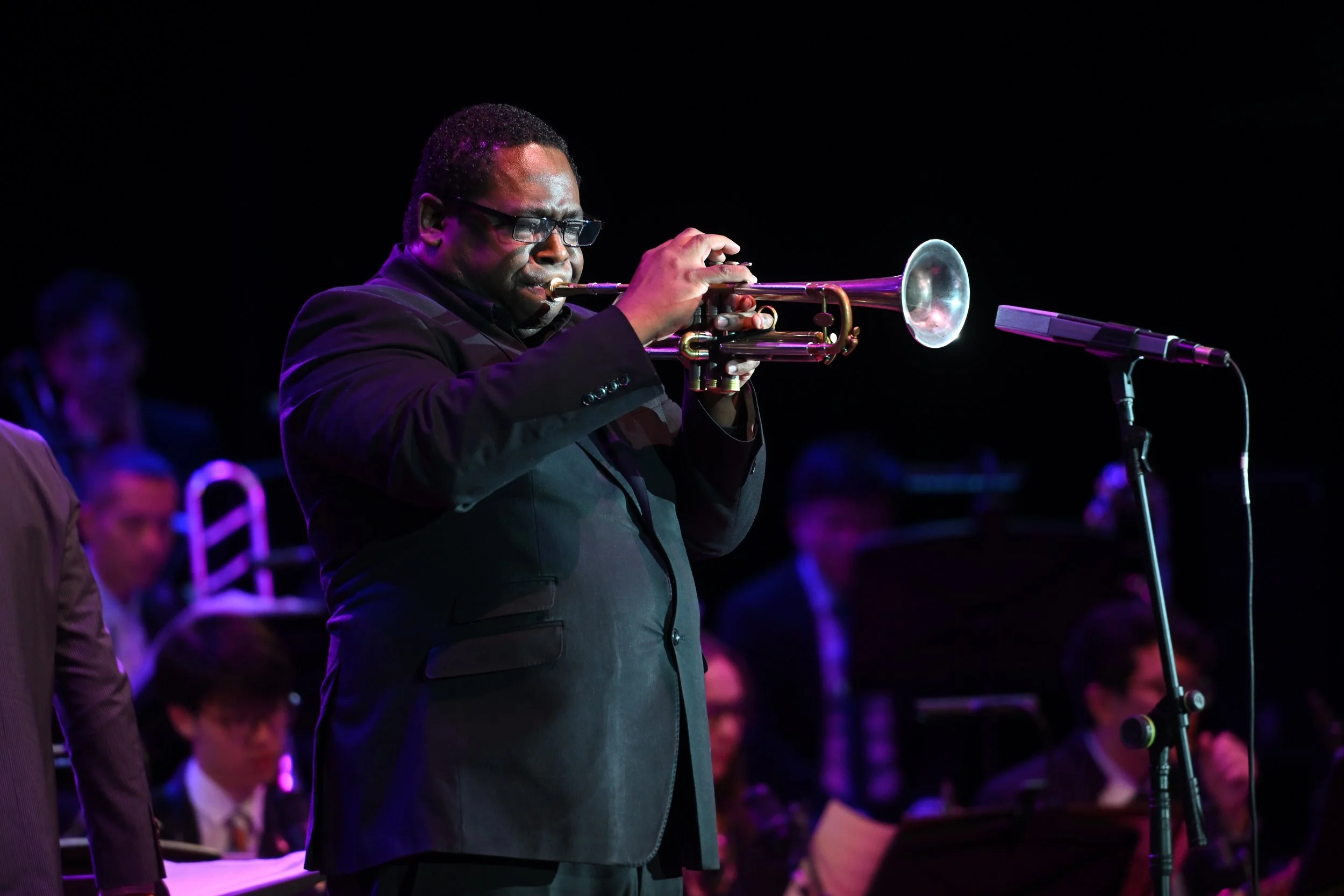
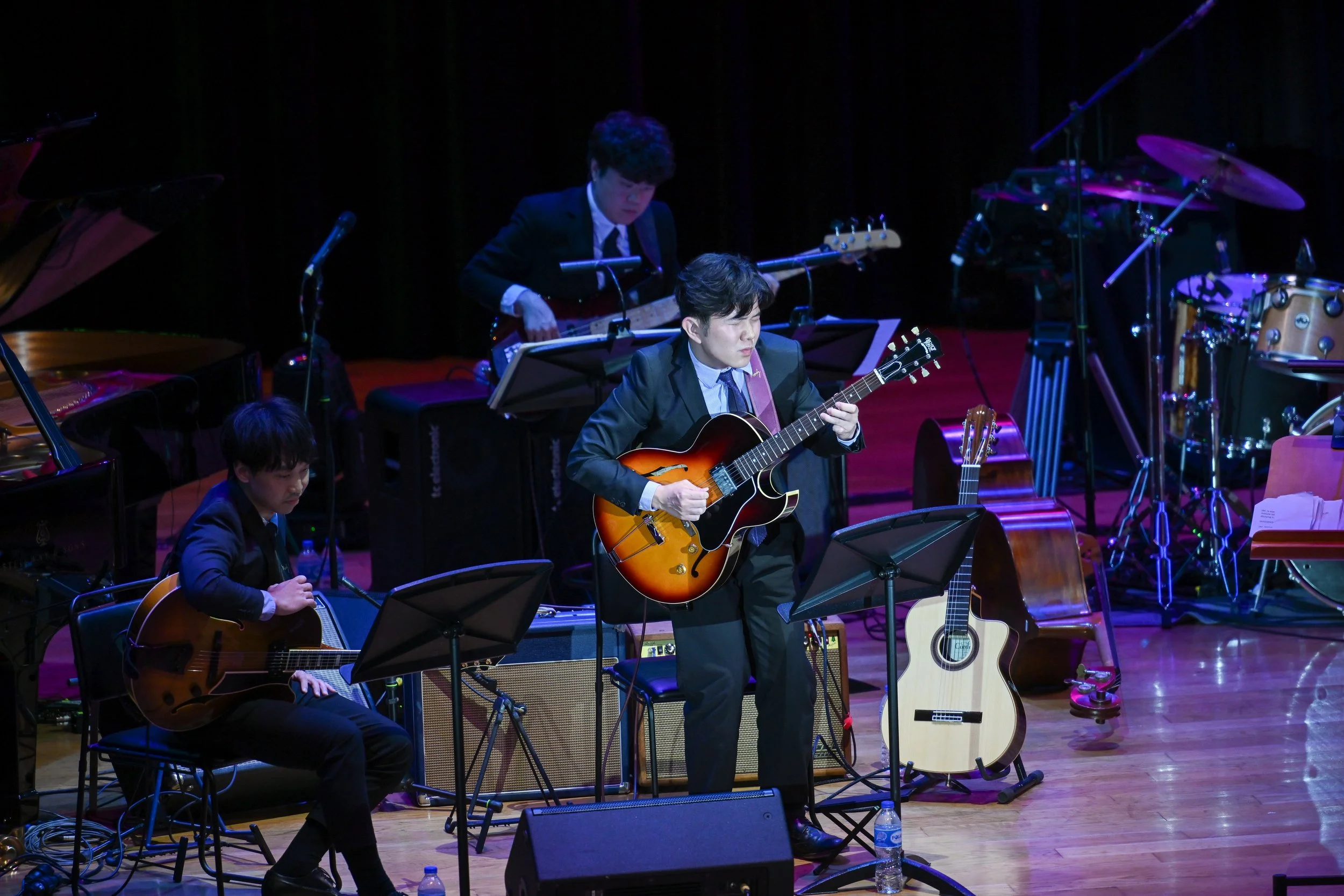
Jazz is often described as a genre, but that description barely scratches the surface. Jazz is better understood as a practice. It is something that happens, not something that is preserved. It exists fully only in the moment it is played, shaped by the room, the musicians, and the people listening. This is why live performance is not an optional extra in jazz. It is the point.
In a city like Singapore, where culture often moves quickly from event to event, live jazz offers a rare experience of presence. It asks for attention rather than consumption. It rewards listening rather than scrolling. And it reminds us that music is not just sound, but interaction.
This philosophy sits at the core of the Lion City Jazz Festival, which treats jazz not as a fixed tradition, but as a living art form that continues to evolve through performance, mentorship, and shared experience.
Jazz Lives in the Moment It Is Played
Unlike many other forms of music, jazz is not designed to be repeated exactly. Improvisation is not decoration. It is structure. Musicians prepare deeply so they can respond freely, shaping the music as it unfolds.
A jazz piece changes depending on who is playing, who is listening, and where it is being performed. The same composition can feel restrained one night and explosive the next. This unpredictability is not a flaw. It is the reason jazz remains alive.
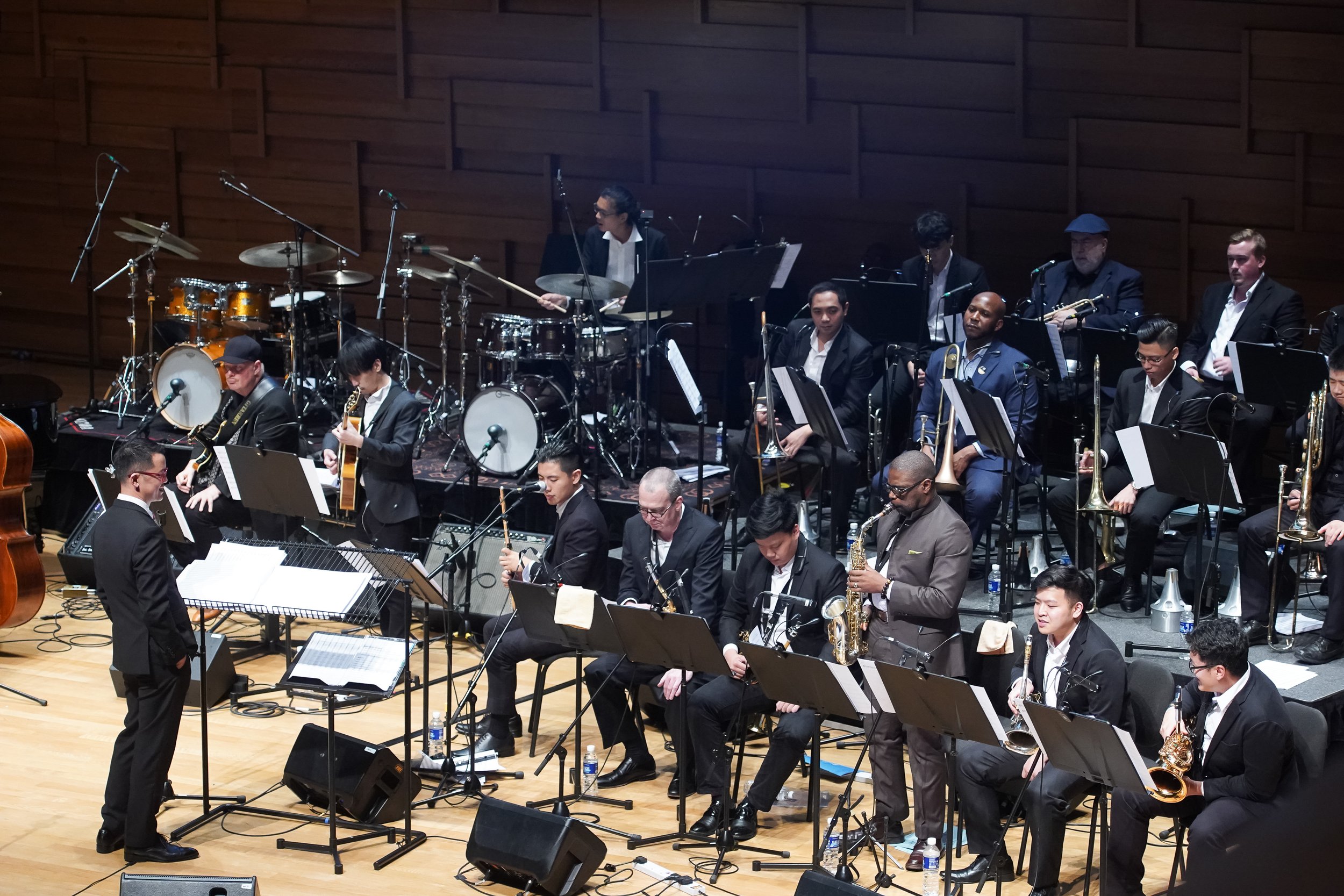
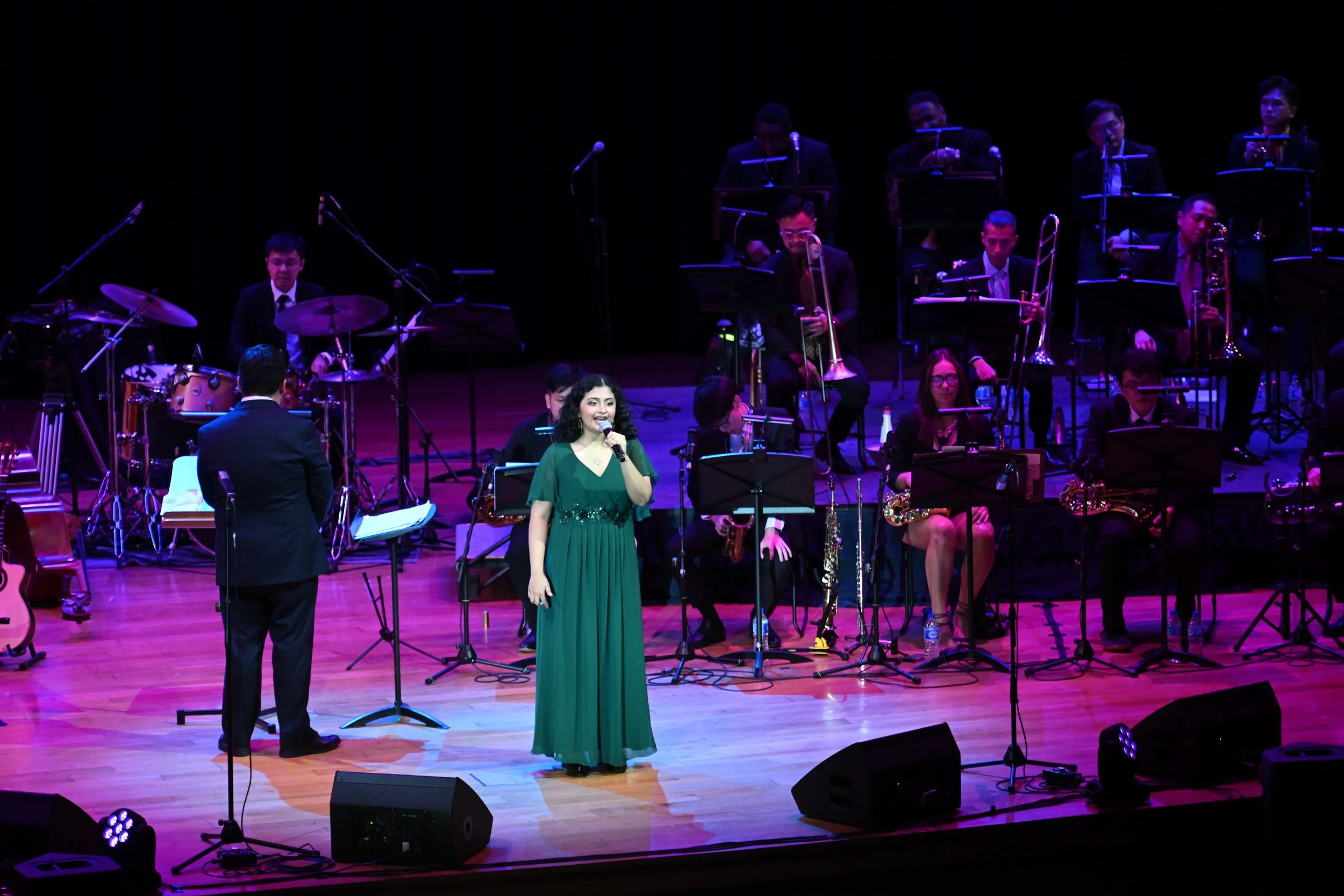
When experienced live, this quality becomes unmistakable. You hear musicians react to one another. You see eye contact, subtle cues, and spontaneous decisions. The music breathes in real time.
This is why festivals that prioritise live interaction matter. The Lion City Jazz Festival structures its programme around performances, conversations, and workshops that allow audiences to witness jazz being created rather than simply delivered. The full scope of this approach can be seen through
the Lion City Jazz Festival schedule.
Why Live Jazz Feels Different From Recordings
Recordings capture sound, but they flatten context. They remove the shared silence before a solo, the tension in the room, the collective intake of breath when something unexpected happens. Live jazz restores these elements.
In a live setting, listeners become part of the performance. Applause, reactions, and energy feed back into the music itself. Jazz musicians respond to this in ways that are impossible to script.
This feedback loop is one reason why jazz continues to attract new audiences. You do not need to understand harmony or form to feel when something meaningful is happening. You simply need to be present.
Smaller, more intimate performances make this especially clear. Events like
fringe concerts place musicians and listeners close enough for the exchange to feel immediate and personal, reinforcing jazz’s roots as a communal art form rather than a distant spectacle.
Jazz as Conversation, Not Display
Jazz is often misunderstood as music that shows off technical skill. While mastery is essential, the goal is not display. The goal is dialogue.
Each musician listens as much as they play. Solos are not interruptions. They are responses. Rhythm sections do not simply support. They comment, provoke, and steer the music forward.
This conversational quality mirrors how people communicate in real life. It is one reason jazz feels especially relevant today. In an era of constant broadcasting, jazz values listening.
The festival’s talk series reinforces this idea by helping audiences hear jazz as a process rather than a puzzle. Sessions like
jazz appreciation talks give listeners language for what they are already feeling, without turning the experience into a lesson.
The Listening Shift
Many listeners say that one live jazz performance completely changes how they hear music. If you want to understand jazz, the fastest way is not explanation, but experience.
Why Jazz Must Be Seen to Be Understood
Jazz is physical. It lives in breath, posture, timing, and gesture. Watching musicians perform reveals how deeply embodied the music is.
You see how a drummer shapes time with micro-movements. You notice how horn players lean into phrases or pull back to create space. You witness trust forming between musicians as they take risks together.
This is why workshops and demonstrations matter just as much as concerts. They allow audiences to see the mechanics behind the magic without stripping away the mystery. Masterclasses such as
Trumpet Mastery by Tom Walsh offer insight into craft while reinforcing the idea that jazz knowledge is meant to be shared, not guarded.
A Living Art Form Needs Living Communities
Jazz survives when it is played, discussed, taught, and challenged. It fades when it becomes something to be archived rather than practised.
The Lion City Jazz Festival is closely connected to the wider work of the
Jazz Association of Singapore, ensuring that performances are part of a larger ecosystem rather than isolated events. This connection allows jazz to remain active in Singapore’s cultural life, supported by education, mentorship, and community engagement throughout the year.
By bringing together emerging musicians, seasoned mentors, and curious audiences, the festival keeps jazz in motion. It ensures that the music continues to grow rather than repeat itself.
Why Live Jazz Still Changes Everything
Live jazz changes how we listen. It slows time. It sharpens attention. It reminds us that art is something created between people, not consumed alone.
In modern cities, where so much is mediated by screens and schedules, this experience becomes increasingly valuable. Jazz does not compete with speed. It offers an alternative to it.
Hear It Happen
If you want to understand why jazz remains a living art form, experience it live. Explore performances, talks, and collaborative sessions through
the Lion City Jazz Festival website and step into the music as it takes shape in real time.
Jazz endures because it cannot be fully captured. It exists where people gather, listen, and respond to one another. As long as those moments continue, jazz will remain alive.