Why the Lion City Jazz Festival Is Built Around Process, Not Just Performance
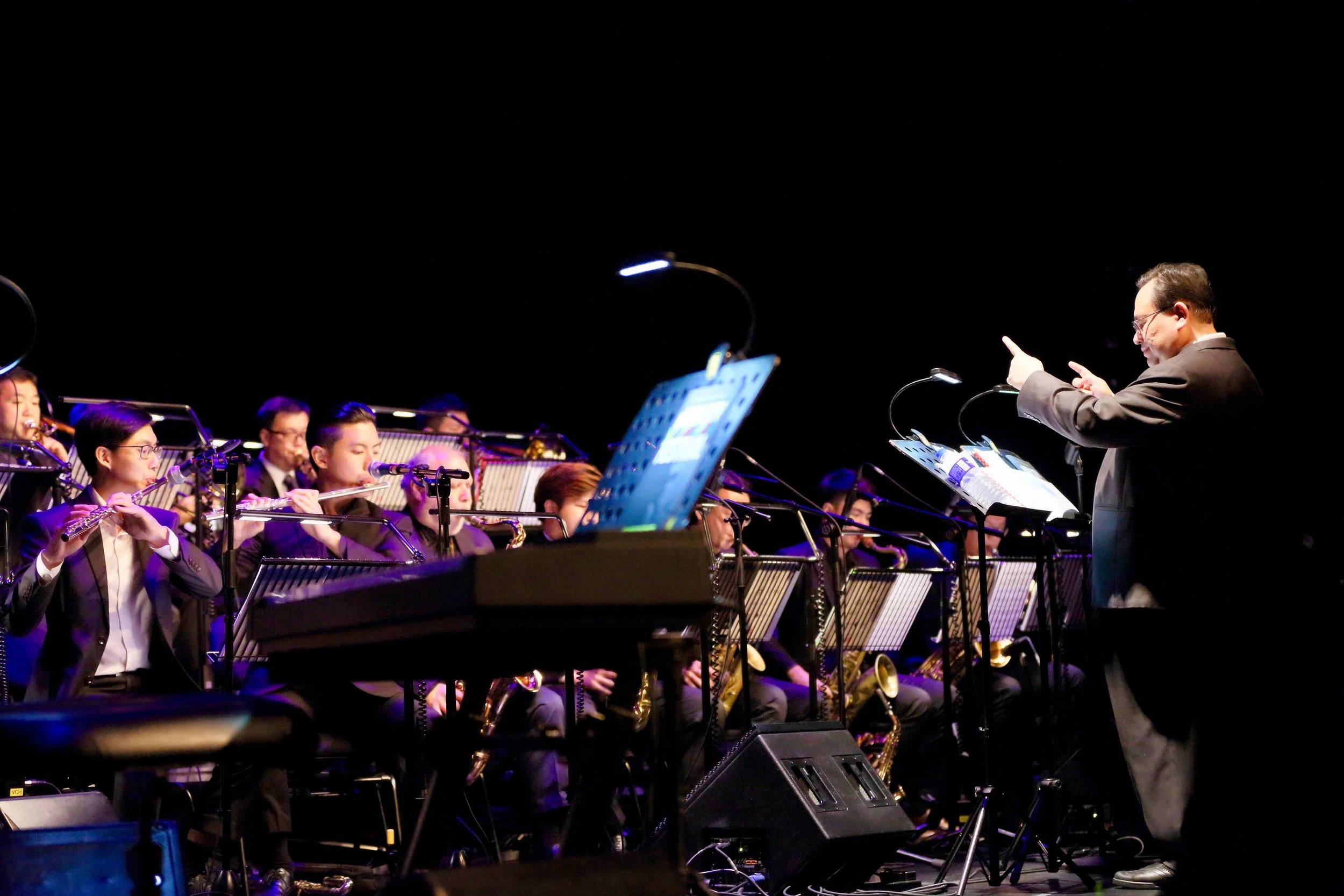
Many festivals are designed around outcomes. The headline act. The finale. The moment you are meant to remember. While these moments can be powerful, they only tell part of the story. Jazz, by its nature, resists being reduced to a single peak. It is a music shaped by preparation, dialogue, and decisions made in real time.
This understanding is why the Lion City Jazz Festival is intentionally built around process, not just performance. The festival treats concerts as one expression of a longer creative journey, inviting audiences and musicians alike to engage with how jazz is made, not only how it sounds at its most polished.
Jazz Is Defined by How It Is Made
Jazz is not assembled and delivered. It is developed through listening, rehearsal, conversation, and trust. The performance is the visible tip of a much larger structure beneath the surface.
When festivals focus exclusively on outcomes, they risk presenting jazz as a finished object rather than a living practice. The Lion City Jazz Festival takes a different approach. Its programme weaves together workshops, talks, rehearsals, and concerts so that audiences can trace the arc from idea to execution.
This design is evident across
the festival schedule, where learning sessions and performances are placed in dialogue with one another rather than separated into rigid categories.
Process Creates Deeper Listening
When audiences are invited into the process, their listening changes. They begin to notice choices rather than just results. A pause becomes intentional. A shift in rhythm feels meaningful. Risk becomes visible rather than hidden.
By offering context through discussions and appreciation talks, the festival helps listeners engage more actively with what they hear. Sessions like
jazz appreciation talks give audiences language for the experience without turning jazz into something academic or exclusive.
This approach does not explain the music away. It sharpens attention.
From Hearing to Listening
Many first-time listeners discover that understanding the process behind jazz does not make it less mysterious. It makes it more compelling.
Learning Happens Alongside Performance
Jazz musicians do not stop learning once they step on stage. Growth continues through collaboration, reflection, and feedback. The festival reflects this reality by allowing learning and performance to coexist.
Workshops and masterclasses are not treated as side events. They are core components of the programme. Sessions such as
Trumpet Mastery by Tom Walsh demonstrate how technical development is inseparable from musical decision-making.
By placing these sessions alongside concerts, the festival reinforces a simple truth: great performances are built, not summoned.
Mentorship Is a Process, Not a Moment
One of the strongest expressions of process at the festival is mentorship. Mentorship cannot be compressed into a single interaction. It unfolds through rehearsal, conversation, shared mistakes, and repeated listening.
The Lion City Jazz Festival creates space for these relationships to form by designing programmes that allow emerging musicians to work closely with experienced mentors over time. Conversations such as
A Fireside Chat with Randy Brecker and Ada Rovatti reveal how artists think about their work, their careers, and their creative choices beyond the stage.
These exchanges make visible the invisible labour behind artistic growth.
Process Builds Community, Not Just Audiences
Festivals built around performance often create spectators. Festivals built around process create communities.
By inviting audiences into rehearsals, discussions, and learning environments, the Lion City Jazz Festival encourages participation rather than passive consumption. Listeners become witnesses to collaboration, risk, and growth.
Smaller-scale settings reinforce this sense of shared experience.
Fringe concerts allow audiences to feel close to the music, both physically and emotionally, making the process of music-making tangible.
These moments strengthen bonds between musicians and listeners, turning attendance into belonging.
Process Allows Jazz to Evolve
Jazz survives because it evolves. That evolution depends on environments where experimentation is valued and mistakes are allowed.
By prioritising process, the festival creates space for musicians to explore new ideas without the pressure of perfection. This openness ensures that performances remain fresh, responsive, and alive.
The festival’s close connection to the broader work of the
Jazz Association of Singapore reinforces this commitment to long-term development rather than short-term spectacle. The result is a festival that supports jazz as an ongoing practice within Singapore’s cultural ecosystem.
Why Process Matters More Than Ever
In a cultural landscape driven by highlights and metrics, process can seem invisible. Yet it is precisely what sustains meaningful work over time.
The Lion City Jazz Festival understands that jazz is not a product to be delivered, but a conversation to be nurtured. By centring process, the festival honours the way jazz has always been learned, shared, and renewed.
Step Inside the Making of the Music
If you want to experience jazz beyond the surface, explore the performances, talks, and workshops at
the Lion City Jazz Festival website. The music reveals its depth most clearly when you see how it comes to life.
Jazz remains powerful not because of perfect moments, but because of the thoughtful processes that lead to them.