How Jazz Festivals Support Emerging Musicians Beyond the Stage
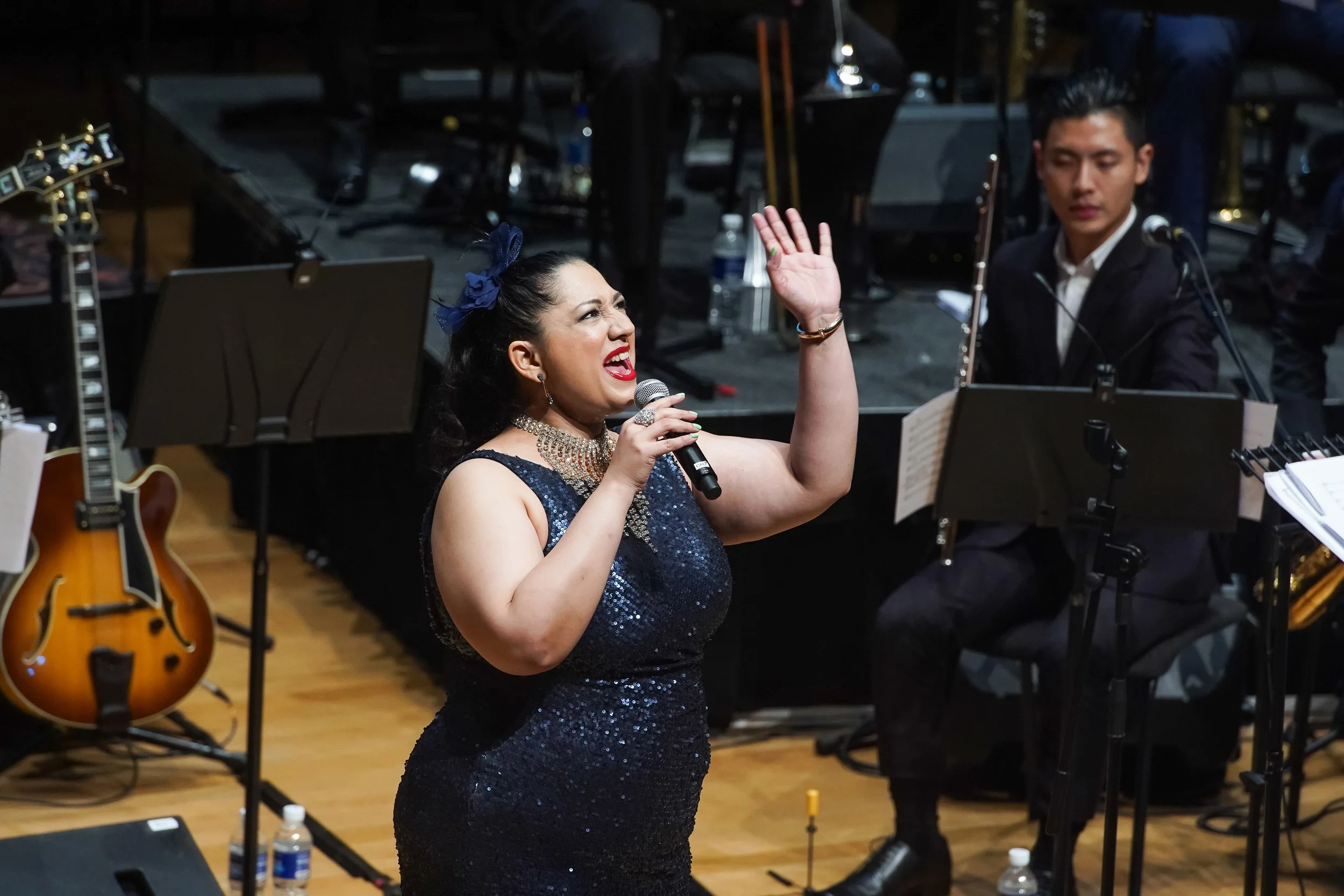
For emerging jazz musicians, performance is only one part of the journey. Applause fades quickly, but growth depends on what happens before and after the music is played. The most meaningful jazz festivals understand this. They are not just platforms for exposure. They are environments for learning, connection, and long-term development.
This is where festivals with a mentorship-driven mindset make the greatest impact. They support musicians beyond the stage by creating structures that encourage reflection, collaboration, and continuity. This philosophy is central to the Lion City Jazz Festival, where development is treated as an ongoing process rather than a single moment in the spotlight.
Learning Happens Before the Applause
For emerging musicians, preparation matters as much as performance. Rehearsals, workshops, and conversations provide the framework that allows artists to step on stage with confidence.
Festivals that integrate learning into their programmes give young musicians the chance to test ideas in supportive environments. These settings allow them to ask questions, experiment, and refine their approach without the pressure of perfection.
At the Lion City Jazz Festival, learning and performance are intentionally interwoven. Workshops and talks sit alongside concerts, creating a continuous feedback loop between practice and presentation. This structure is visible throughout
the festival schedule, where education is treated as a core component rather than a side activity.
Mentorship Extends Growth Beyond Performance
Mentorship offers emerging musicians something performance alone cannot: perspective. Experienced artists help younger players understand not only how to play, but how to sustain a life in music.
Through conversations and shared experiences, mentors offer guidance on artistic direction, collaboration, and resilience. These exchanges often take place away from the spotlight, where honest reflection becomes possible.
Sessions such as
A Fireside Chat with Randy Brecker and Ada Rovatti allow emerging musicians to hear directly from seasoned artists about career longevity, creative doubt, and artistic decision-making. These insights stay with musicians long after the festival ends.
The Long View
Many young musicians discover that the most valuable lessons they receive are not technical tips, but stories about navigating uncertainty and staying committed to growth.
Skill Development Through Shared Practice
Beyond inspiration, emerging musicians need practical tools. Masterclasses and focused workshops provide opportunities to refine technique while keeping musical intent front and centre.
By observing how experienced artists approach tone, phrasing, and interaction, young musicians gain insight into how craft supports expression. Sessions like
Trumpet Mastery by Tom Walsh demonstrate how technical discipline becomes meaningful only when it serves musical communication.
These shared practice environments encourage curiosity rather than competition, reinforcing the idea that development is collaborative rather than solitary.
Building Networks That Last
Jazz careers are sustained through relationships. Festivals that prioritise connection help emerging musicians build networks rooted in mutual respect rather than transactional exchange.
Smaller, focused events make it easier for musicians to interact with peers, mentors, and organisers. Conversations continue beyond the stage, laying the groundwork for future collaborations and opportunities.
Intimate settings such as
fringe concerts foster this closeness by placing musicians and audiences in shared spaces where interaction feels natural rather than staged.
These connections often become as valuable as the performances themselves.
Helping Musicians Learn How to Listen
One of the most important skills emerging musicians develop is listening. Listening to bandmates. Listening to audiences. Listening to themselves.
Festivals support this growth by encouraging reflective listening through talks and guided discussions. Events like
jazz appreciation talks help musicians and audiences alike hear jazz as an evolving conversation rather than a fixed form.
This shared understanding strengthens the relationship between performers and listeners, creating environments where musicians feel heard and supported.
Continuity Beyond the Festival Weekend
The most effective festivals do not end when the last note fades. They are embedded within broader ecosystems that support musicians year-round.
The Lion City Jazz Festival operates within a framework shaped by the
Jazz Association of Singapore, ensuring that mentorship, education, and community engagement continue beyond the festival itself. This continuity provides emerging musicians with pathways for sustained involvement rather than one-off exposure.
Why Support Beyond the Stage Matters
Performance creates visibility, but support builds careers. Emerging musicians need environments that value growth over polish and process over perfection.
Jazz festivals that invest beyond the stage help artists develop confidence, adaptability, and voice. They create musicians who are not only skilled performers, but thoughtful collaborators and contributors to the wider musical community.
Where Growth Continues
To see how festivals can support musicians beyond performance, explore the talks, workshops, and collaborative spaces offered through
the Lion City Jazz Festival website. The most important work often happens where the spotlight does not reach.
Jazz endures because it is nurtured. When festivals commit to supporting musicians beyond the stage, they ensure that what comes next is stronger, deeper, and more meaningful.