How the Lion City Jazz Festival Builds a Community Beyond the Stage
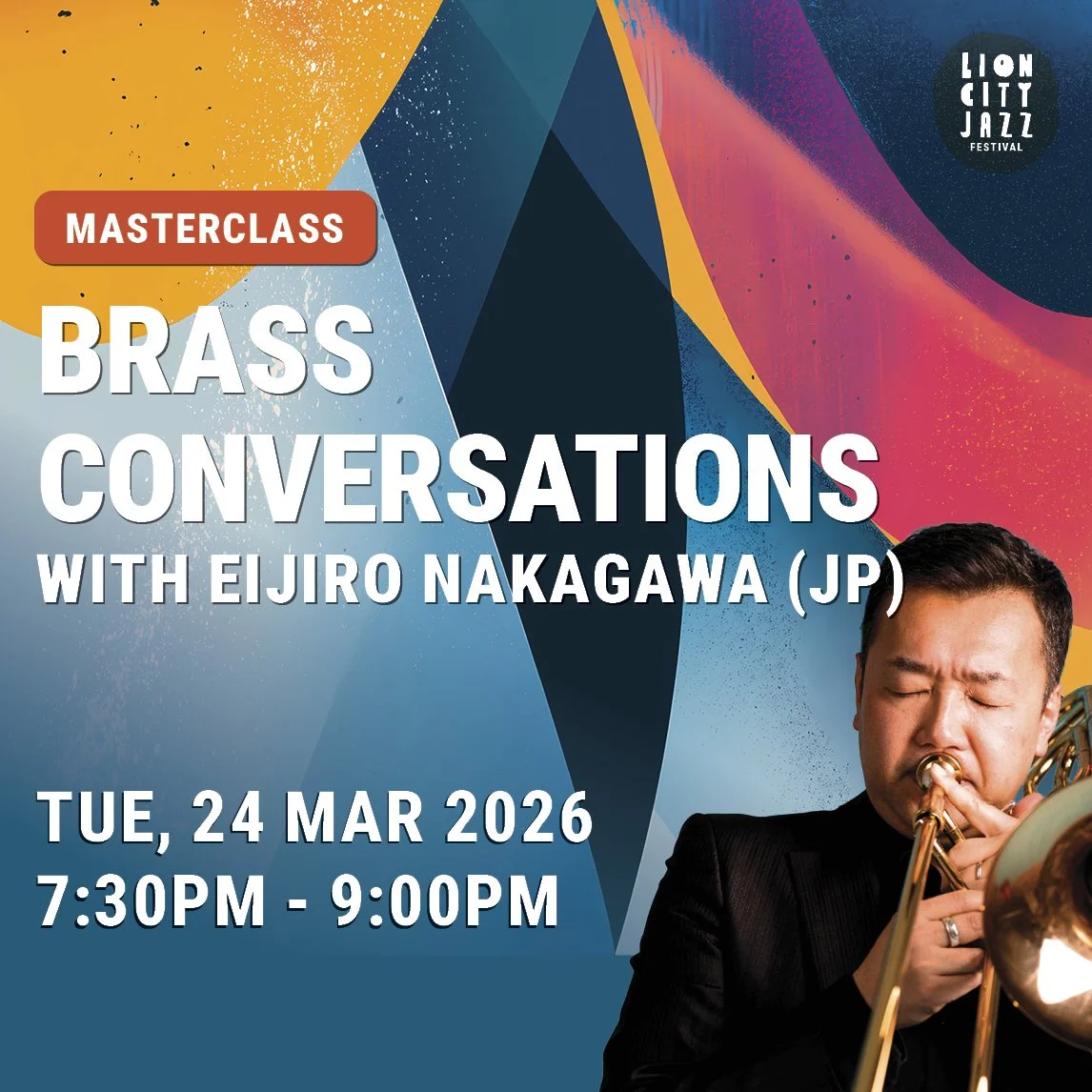
Most music festivals are remembered for who played and how loud the applause was. The Lion City Jazz Festival is remembered for something quieter and longer lasting. The relationships that form around it.
While the concerts are an important part of the experience, the festival’s deeper impact happens beyond the stage. In conversations, shared learning, repeated encounters, and the slow building of trust between musicians, audiences, and mentors.
This is not accidental. Community is not a byproduct of the Lion City Jazz Festival. It is part of its design.
A Festival Built Around People, Not Just Performances
At its core, the Lion City Jazz Festival is mentorship driven. That focus shapes everything else.
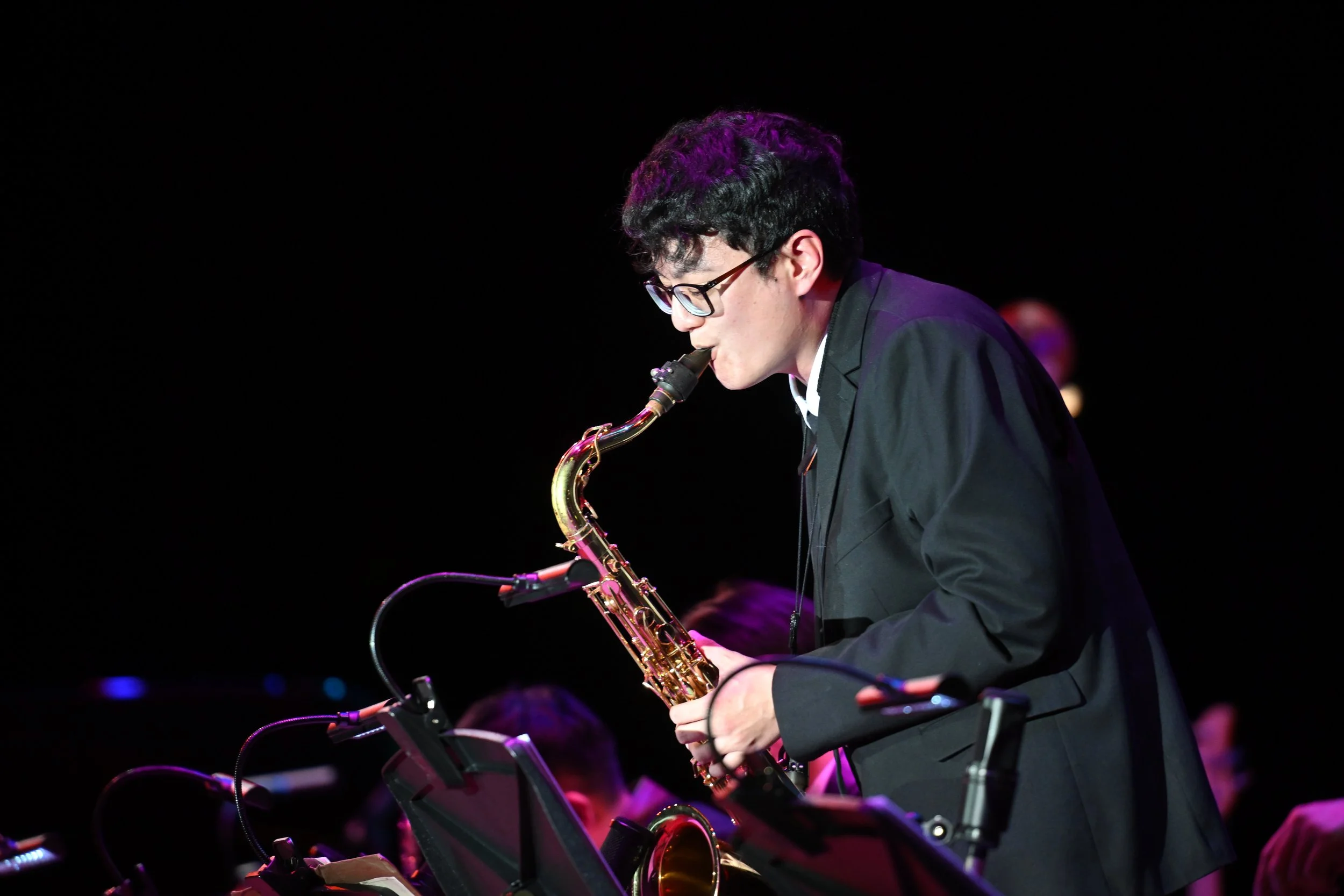
Musicians are not simply booked to perform and leave. They are invited to engage. They teach, listen, collaborate, and reflect alongside younger artists and curious audiences. This creates a sense that everyone present is participating in the same ongoing process.
When artists share space across concerts, workshops, and discussions, familiarity develops naturally. You begin to recognise faces. You hear ideas echoed and transformed across different settings. The festival starts to feel less like a series of events and more like a shared journey.
Learning as a Social Experience
Workshops and talks play a major role in how the festival builds community.
Rather than positioning learning as something separate from performance, the Lion City Jazz Festival treats it as part of the same ecosystem. Audiences who attend a jazz appreciation talk often find themselves listening differently at concerts later that day. Musicians who teach during the festival often perform with a heightened sense of connection to the room.
These sessions are designed to be welcoming rather than academic. Questions are encouraged. Curiosity is rewarded. People leave not just with information, but with a sense of belonging.
Learning together creates shared reference points, and shared reference points are one of the strongest foundations of community.
Conversations That Continue After the Music Stops
One of the defining features of the Lion City Jazz Festival is how accessible artists are throughout the programme.
Events such as a fireside chat with Randy Brecker and Ada Rovatti invite audiences into the personal side of a musician’s life. These are not performances. They are conversations.
When listeners hear artists speak openly about their paths, challenges, and influences, the distance between stage and seat narrows. Jazz stops feeling like a distant art form and starts to feel like a human one.
These moments linger. They become talking points during breaks, over meals, and long after the festival ends.
Fringe Spaces Where Community Grows Organically
Community often forms most naturally in informal settings.
The festival’s fringe concerts play a crucial role here. These performances are smaller, looser, and more experimental. Audiences feel comfortable dropping in, staying curious, and reacting honestly.
Because expectations are lighter, interactions are warmer. Musicians take risks. Listeners respond more freely. Conversations start easily.
For many attendees, fringe concerts are where they first feel like part of the festival rather than observers of it.
A Strong Sense of Local Identity
The Lion City Jazz Festival is deeply rooted in Singapore’s cultural landscape.
Local musicians are not framed as supporting acts. They are central voices. Programmes such as Singaporeana highlight how jazz lives and evolves within Singapore, shaped by its people, histories, and rhythms.
This local grounding makes the community feel tangible. Audiences recognise musicians from other settings. Students see pathways they might one day follow. Artists see themselves reflected in the city they perform in.
When a festival reflects its home honestly, it strengthens the bond between music and place.
Families and First Timers Are Part of the Circle
Community is only sustainable if it is inclusive.
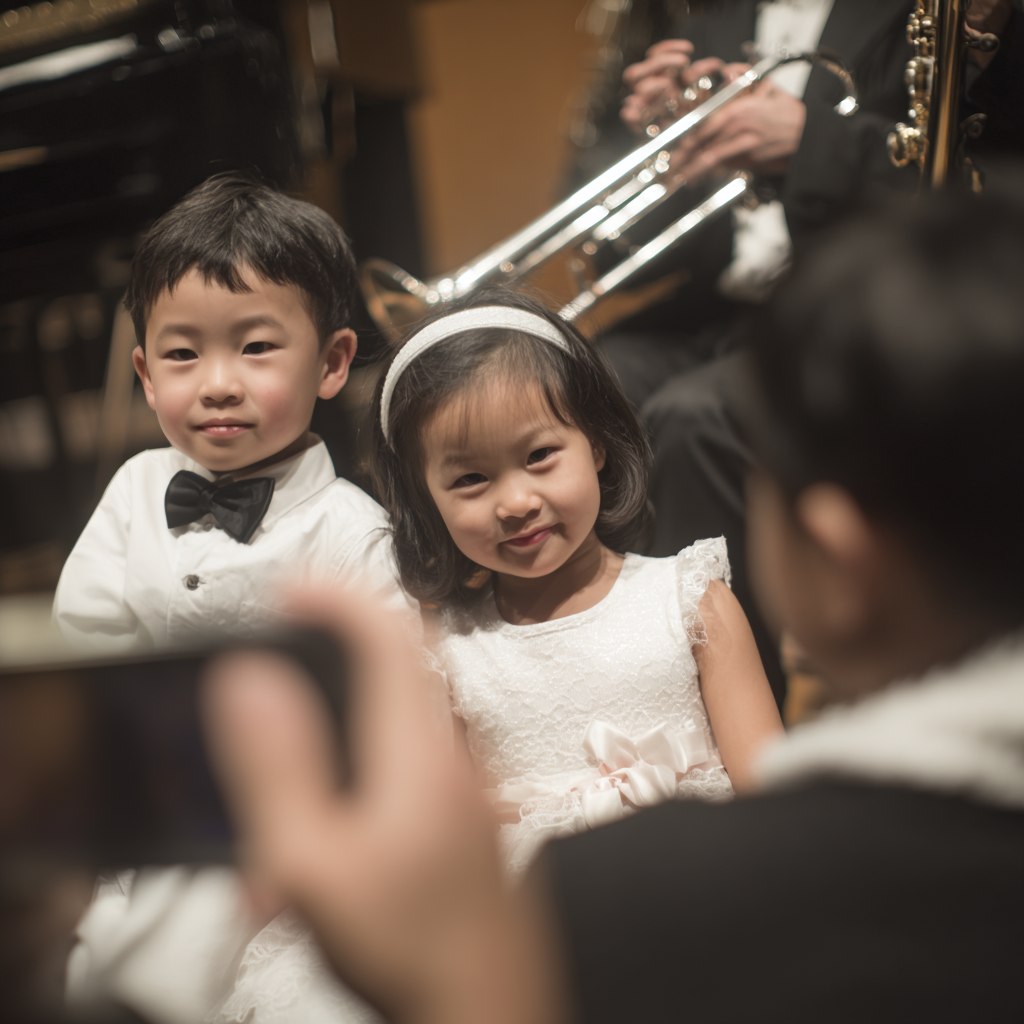
The Lion City Jazz Festival makes a deliberate effort to welcome new listeners and younger audiences. Initiatives like Jazz for Kids remind everyone that jazz is not an exclusive space. It is playful, expressive, and open to all ages.
By inviting families and first timers into the experience, the festival ensures that its community continues to grow rather than closing in on itself.
Many long time attendees first encountered jazz through these accessible entry points. That continuity matters.
The Finale as a Shared Milestone
The festival’s closing performance often feels less like a finale and more like a gathering point.
The finale concert brings together themes, mentors, and musicians in a way that reflects the relationships built throughout the festival. By the time the final notes are played, many people in the room have shared multiple experiences together.
Applause carries recognition as much as appreciation. It marks a collective moment, not just a successful show.
A Community That Extends Beyond the Festival Dates
What makes the Lion City Jazz Festival distinctive is how its influence continues after the last concert.
Musicians stay connected. Students remain in touch with mentors. Audiences return year after year, recognising familiar faces and welcoming new ones. The festival functions as a hub within Singapore’s jazz ecosystem, not a standalone event.
Because it is organised by the Jazz Association of Singapore, the festival sits within a broader commitment to education, performance, and long term growth. Community is not seasonal. It is ongoing.
A Quiet Invitation
If you attend the Lion City Jazz Festival, you are not just buying a ticket. You are stepping into a living network of people who care deeply about music, learning, and connection.
You do not need to know anyone beforehand. The structure of the festival does that work for you.
Community, here, is not built through spectacle. It is built through listening, sharing space, and returning year after year.
Join the Conversation
If you are curious to experience this community for yourself, explore the current programme and see what resonates with you. You can start planning your visit through the festival website and choose events that invite you not just to watch, but to belong.