How Regional Jazz Media Framed the Lion City Jazz Festival as a Cultural Moment in Singapore
When a jazz festival resonates beyond its home city, it is often because it speaks clearly not only to audiences, but to the wider jazz community across borders. The Lion City Jazz Festival has increasingly done just that, positioning itself as a meaningful cultural moment in Southeast Asia rather than a localised event.
Regional jazz media took notice during the Dizzying Heights edition, recognising the festival as something rooted in education, collaboration, and continuity. Their coverage reflected how the festival was understood not merely as entertainment, but as part of a broader jazz ecosystem in the region.
A Festival Framed as Purposeful, Not Spectacular
What stood out most in regional coverage was the way the Lion City Jazz Festival was framed around intent rather than scale.
Instead of leading with spectacle or celebrity, the festival was described through its structure. A combination of concerts, workshops, and educational gatherings unfolding across a concentrated period. This framing placed emphasis on substance and direction, reinforcing the idea that the festival was built around jazz as a living practice.
By highlighting the festival’s multi day format and its carefully curated flow, the coverage echoed what audiences experienced firsthand. A programme designed to deepen engagement rather than scatter attention:
Explore the festival schedule
Singapore as a Natural Home for Jazz Education
Regional jazz writing also positioned Singapore as a fitting host for this kind of festival.
The city’s reputation for discipline, learning, and cultural organisation aligned naturally with the festival’s mentorship driven approach. Rather than presenting jazz as an imported genre, the festival was framed as something actively nurtured within Singapore’s cultural landscape.
This perspective reinforced the idea that the Lion City Jazz Festival is not simply hosted in Singapore, but shaped by it. Jazz education, thoughtful programming, and cross cultural exchange all reflected local values translated into musical form.
Workshops and Learning as Central Features
Another key focus was the festival’s strong educational component.
Workshops, talks, and learning sessions were described as integral rather than supplementary. This emphasis distinguished the festival from concert only events and positioned it as a space for growth, dialogue, and skill sharing.
Sessions that opened up jazz to wider audiences, including appreciation talks and open discussions, helped frame the festival as accessible without diluting its depth:
Discover the jazz appreciation talk
For regional readers, this reinforced the idea that the festival welcomed both musicians and listeners into the same conversation.
A Festival Seen Through a Regional Lens
Viewed from outside Singapore, the Lion City Jazz Festival appeared confident in its identity. It did not attempt to imitate larger global festivals. Instead, it leaned into clarity, education, and collaboration. That confidence was what made it noteworthy.
Jazz as Regional Conversation, Not National Event
The coverage also situated the festival within a wider Southeast Asian jazz dialogue.
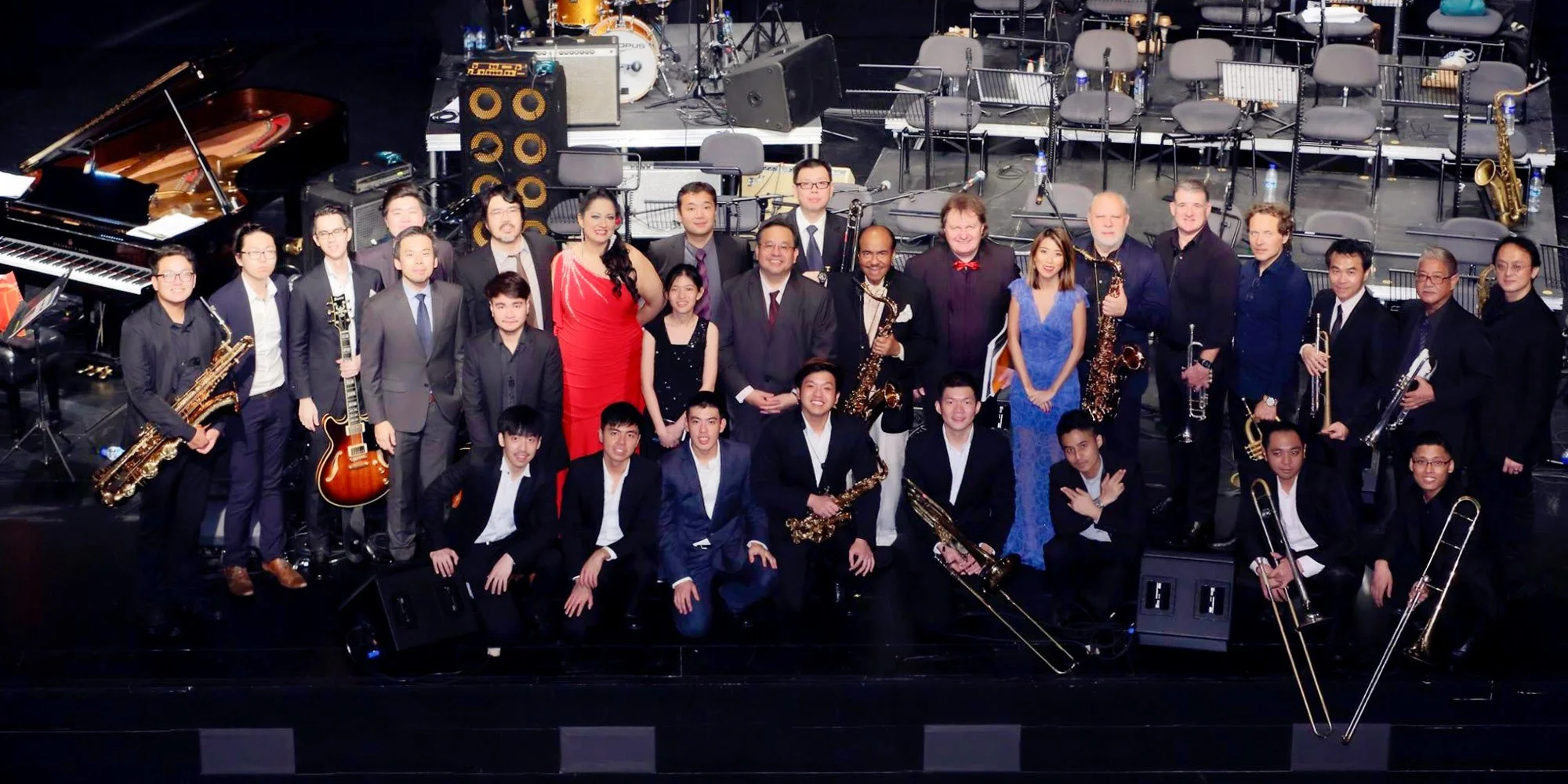
By acknowledging participating artists, mentors, and collaborators from across the region and beyond, the festival was framed as a meeting point. A place where ideas, influences, and practices could intersect.
This regional outlook aligns closely with the festival’s guiding organisation, the Jazz Association (Singapore), whose mission extends beyond individual events toward long term community building and cultural exchange:
Learn more about the Jazz Association of Singapore
Honouring WartaJazz’s Coverage
The Indonesian jazz publication WartaJazz offered a regional perspective that highlighted the Lion City Jazz Festival’s timing, structure, and cultural relevance. Their article framed the festival as a significant weekend event in Singapore’s arts calendar, while also recognising its educational depth and organisational clarity.
Rather than focusing on promotional language, their writing emphasised context. When the festival took place, what it offered, and why it mattered within the jazz world. This approach mirrored how jazz communities often speak to one another across borders.
This article is written in recognition of that coverage, expanding on its observations while honouring the original reporting. Readers interested in the regional jazz perspective are encouraged to read the original WartaJazz piece here:
Read WartaJazz’s article on the Lion City Jazz Festival
Why This Kind of Coverage Matters
Regional media attention signals something important.
It means a festival is not only visible, but legible. Its purpose can be understood without explanation. Its values translate across language and geography.
For the Lion City Jazz Festival, this kind of recognition reinforces its role as more than a local gathering. It becomes part of an ongoing regional conversation about jazz education, performance, and sustainability.
A Festival That Speaks Beyond Its Borders
The Lion City Jazz Festival continues to grow quietly, guided by clarity rather than noise. When regional jazz voices take notice, it is because that clarity travels.
As the festival evolves, its ability to communicate purpose across cultures remains one of its strongest achievements. Not through slogans, but through structure. Not through scale, but through care.
That is how a festival becomes part of the wider jazz story.